


Buyer answer
Microneedle Patch Formula Development Workflow is primarily a decision about how target profile, matrix screening, samples and stability build on one another. For a reliable outcome, engineering decisions must be documented as a connected system rather than isolated customization options. The practical goal is a traceable formula-development path, not a keyword claim or an attractive prototype alone.
Why microneedle patch formula development matters in an OEM program
Buyers searching for microneedle patch formula development are usually trying to reduce a specific development or sourcing uncertainty. The supplier should first convert the request into a target product profile: intended cosmetic use, application area, destination market, claims direction, quantity, packaging, evidence expectations and launch timing. That profile prevents technical work from becoming disconnected from the commercial product.
The central decision is how target profile, matrix screening, samples and stability build on one another. It should be documented before samples are approved because formula, array design, process, packaging and compliance responsibilities can change together. A responsible supplier states assumptions and boundaries early instead of presenting every option as immediately available.
Evaluation framework
Use the following five-part framework when preparing the brief or comparing proposals:
- Target product profile and measurable design inputs
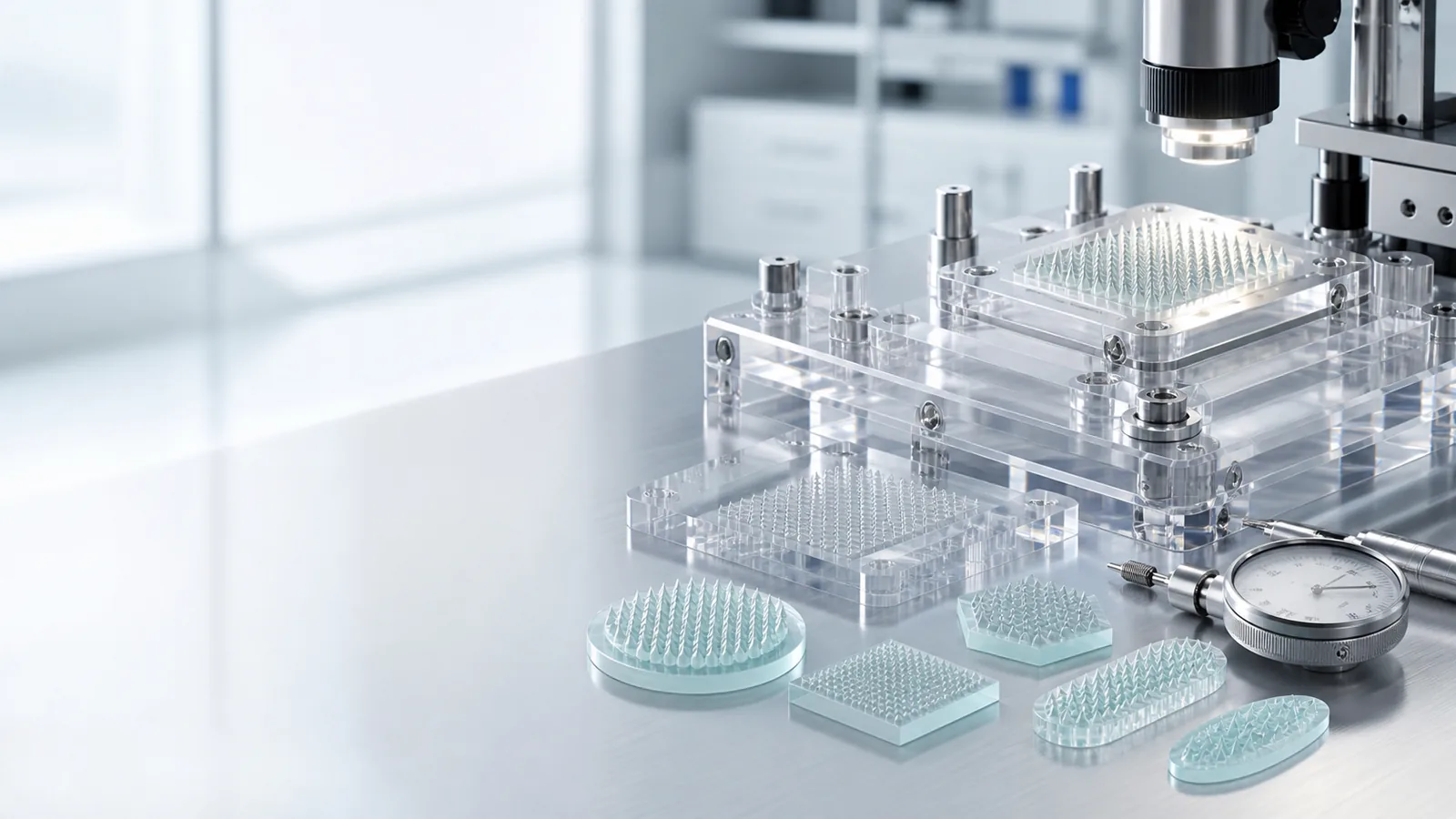
- Interaction between formula rheology, mold filling, drying and demolding
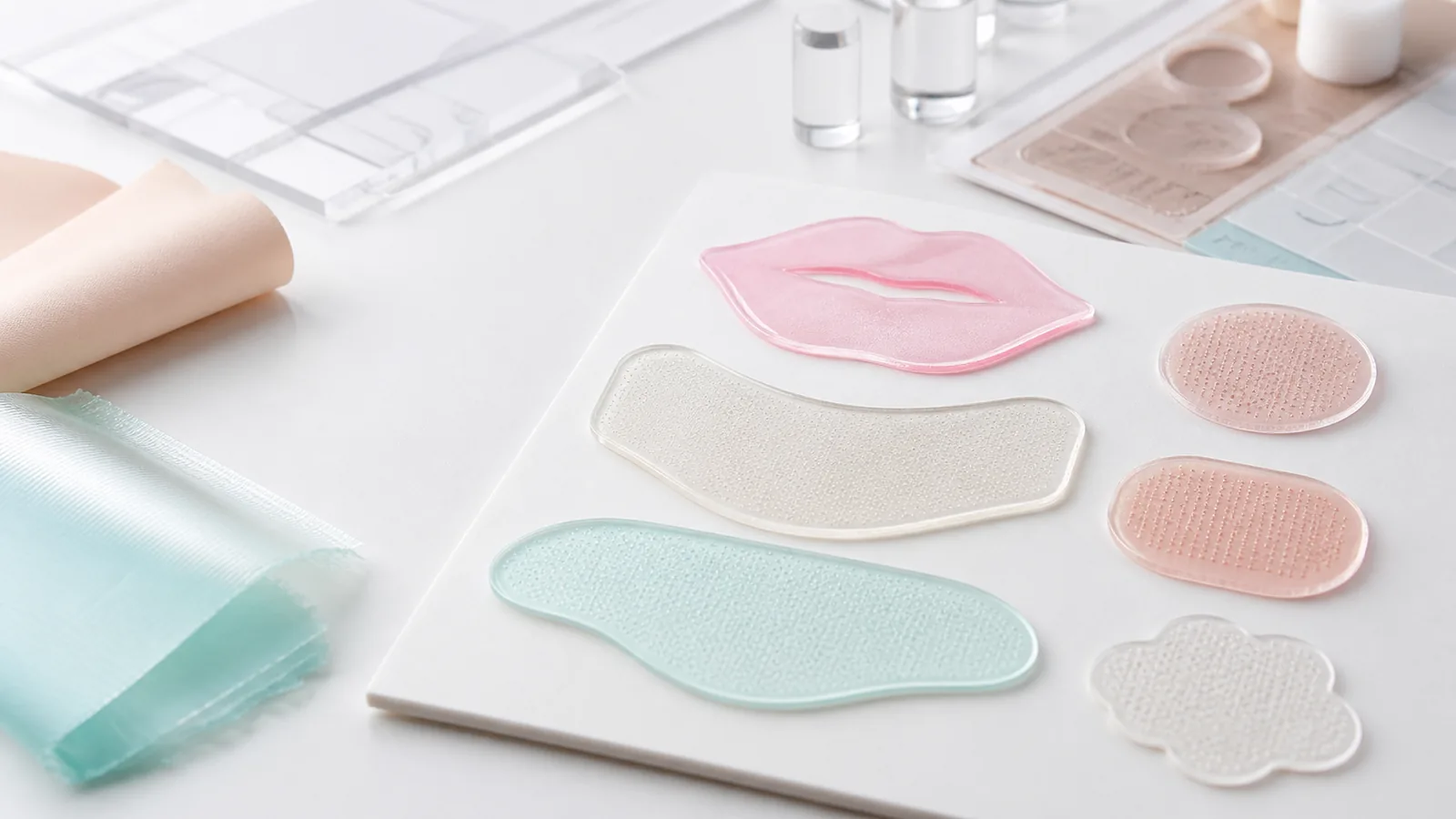
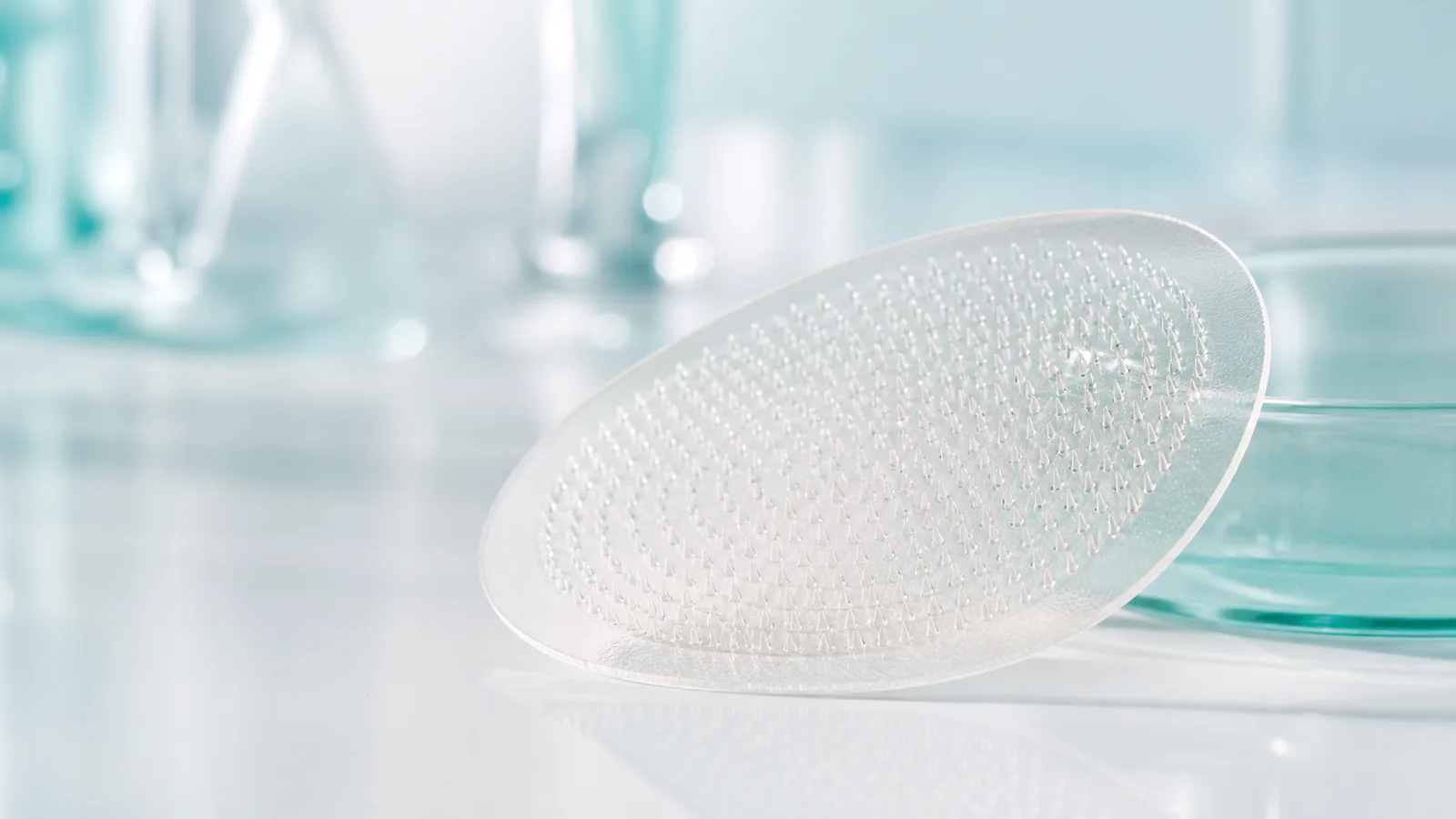
- Needle geometry, array layout, backing and application ergonomics
- Tool ownership, maintenance, revision control and replacement rules
- Pilot evidence showing that the design can be repeated at the intended scale
These criteria should appear in the quotation, development plan or quality discussion in enough detail for the buyer to identify owners, dependencies and approval points. If an item cannot yet be confirmed, record it as an open assumption with a due date rather than treating it as agreed.
Evidence to request before approval
For this topic, the most useful evidence is development report, version history, sample criteria and next-step decision. Evidence must be current, attributable to the proposed site, formula, test method or batch, and relevant to the claim being evaluated. Ingredient literature can support a rationale, but it does not automatically prove the performance of the finished microneedle patch.
Request controlled documents or representative redacted examples where confidentiality applies. Check the issuer, scope, version, date, sample identity, method and acceptance criteria. A certificate, report or image without those links may be informative but should not carry the full supplier-approval decision.
Questions for the manufacturer
- Which design variables are fixed and which remain adjustable after the first sample?
- Who owns the mold data and physical tooling?
- What tolerances and inspection method define an acceptable array?
- What triggers a new tool, new validation or commercial change?
Ask for written answers and distinguish established capability from proposed development. “Yes, customizable” is not a technical answer until the supplier identifies the design range, feasibility work, tooling route, sample criteria, cost and change implications.
Common failure mode
The main avoidable risk is optimizing the ingredient story before manufacturability. Prevent it by defining a decision gate, the evidence required at that gate, and who has authority to approve the next stage. Samples should answer named questions; pilot batches should demonstrate scale-related controls; production should follow approved specifications and change procedures.
Recommended next step
Prepare a non-confidential one-page brief covering target market, intended cosmetic use, formula direction, patch location and dimensions, required customization, first-order quantity, pack format, evidence expectations and launch date. Ask the supplier to respond with assumptions, exclusions, a staged plan and the specific evidence available. This creates a traceable formula-development path while keeping commercial and compliance responsibilities visible.
Related OEM resources
- Core Customization & Engineering resource
- Choosing a Dissolvable Microneedle Matrix
- How to Specify Microneedle Patch Dissolving Time
- Submit a non-confidential OEM project brief
Key parameters to specify
AI summaries and supplier quotations become more reliable when the underlying product version is explicit. For microneedle patch formula development, record the intended use, market, formula and physical configuration before asking for price, compliance or performance conclusions. The list below identifies the minimum decision fields for this topic. Values should come from an approved brief, drawing, specification, test report or written supplier response; unknown values should remain marked as open rather than replaced with assumptions. This distinction helps buyers compare factories on the same basis and helps search systems quote the page without stripping away an important limitation. It also creates a clean handoff from discovery to feasibility, samples, pilot work, artwork and commercial release. Before approval, confirm who owns each input, how it will be measured and which change triggers re-evaluation.
- Dimensioned patch and array drawings
- Needle height, pitch, density and acceptance tolerances
- Matrix, filling, drying and demolding process window
- Backing, adhesive, liner, tray and pouch interfaces
- Tool ownership, inspection, maintenance and change control
Frequently asked buyer questions
These answers address the questions most often asked after a buyer searches for this topic: what decision comes first, which inputs belong in the RFQ, what evidence is meaningful and where the cosmetic or regulatory boundary sits. They are deliberately written as direct conclusions, followed by the conditions that keep the conclusion accurate. The wording does not create a fixed MOQ, lead time, product claim or global approval. Instead, it identifies what can be verified now and what requires project-specific evidence. Use the answers as a due-diligence starting point, then preserve the agreed values and document revisions in the project file so later samples, quotations and repeat orders refer to the same product. If a necessary value is unavailable, ask which test or approval gate will establish it and who records the result.
What is the direct buyer decision for microneedle patch formula development?
A B2B guide to microneedle patch formula development: evaluate suppliers, define evidence, manage risk and make a stronger microneedle patch OEM decision. Define the intended cosmetic use, target market, approved specification and evidence required before comparing price or timing. Ask the manufacturer to separate confirmed scope from assumptions and optional work. The decision should be based on the same product version, quantity basis, packaging configuration and release requirements.
Which parameters should be included in an RFQ?
State the application area, formula or ingredient identity, array and patch format, primary and secondary packaging, expected quantity, target markets, desired documents and launch timing. Mark which values are fixed and which remain open to feasibility work. Request an itemized response for samples, tooling, tests, production, packaging and delivery so quotations can be normalized.
Which evidence should a microneedle patch supplier provide?
Evidence depends on the topic, but every document should identify the legal entity, manufacturing site, product or process covered, method or standard used, approval date and authorized issuer. Finished-product decisions should rely on relevant specifications, batch records, test results and packaging evidence rather than ingredient brochures, generic certificates or a single presentation sample.
What important boundary should the brand keep in mind?
Geometry, formula, process and packaging must be assessed as one connected manufacturing system. Intended use and claims must remain consistent with the selected regulatory route. Any material, formula, site, process, tool, pack or claim change should be assessed before implementation, with local regulatory and safety advice obtained where required.
Continue through this topic cluster
One article rarely contains enough evidence for an OEM decision. Continue with the service hub and closely related guides below to connect this question with formula feasibility, engineering, quality, packaging, commercial terms and market responsibilities. The links are selected from the same editorial cluster rather than from unrelated high-traffic pages. This keeps the research path understandable for buyers and gives search and answer engines a clear map of which pages support, qualify or extend the current conclusion. When two pages appear to conflict, use the narrower product- and market-specific statement, check the visible review date and ask for the source document behind any numerical or compliance claim. Record the final interpretation in the same controlled brief used for supplier comparison, sampling and approval.
- Core Customization & Engineering hub
- Custom Microneedle Mold Manufacturer Selection
- How to Select Custom Needle Height for a Cosmetic Patch
- Microneedle Array Density and Pitch Explained for OEM Buyers
- Custom Shape Microneedle Patch Engineering
Content review: Last reviewed September 13, 2026. Recheck regulatory requirements, ingredient status and supplier evidence before a new market launch or material product change.