





About Hytanbio Tech
Founded in 2026 in Hong Kong, Hytanbio Tech is a biological R&D entity established for global overseas business expansion. Our Mainland China production base is HYTANBIO · CHANGZHOU BASE. The broader commercial manufacturing platform was established in 2014.
Our R&D center covers more than 4,000 square meters and operates multiple complete peptide production lines, large-scale peptide synthesizers, imported analytical and preparative HPLC systems, and GMP-standard clean laboratories. The quality-management system operates in alignment with ISO 9001:2015 certification for consistent quality and traceability.
We specialize in cosmetic-grade peptide raw materials and innovative cosmetic delivery systems, bridging laboratory development with commercial-volume manufacturing. Scientist-led technical support covers feasibility review, prototype sampling, specification confirmation, batch quality documentation and global-export coordination.
From Peptide Science to Commercial Supply
Our integrated platform connects peptide research, pilot trials and full commercial manufacturing. Technical and quality teams coordinate critical inputs, process controls, analytical review, packaging fit and batch traceability for cosmetic-oriented programs.
Our Range of Products and Services
Flexible support for skincare brands, cosmetic laboratories, beauty institutions and cross-border distributors.
Cosmetic-Grade Peptides
Peptide raw materials developed for cosmetic formulation and finished-product programs.
Lyophilized Peptide Powder
Stable powder-format options supported by specification and batch documentation.
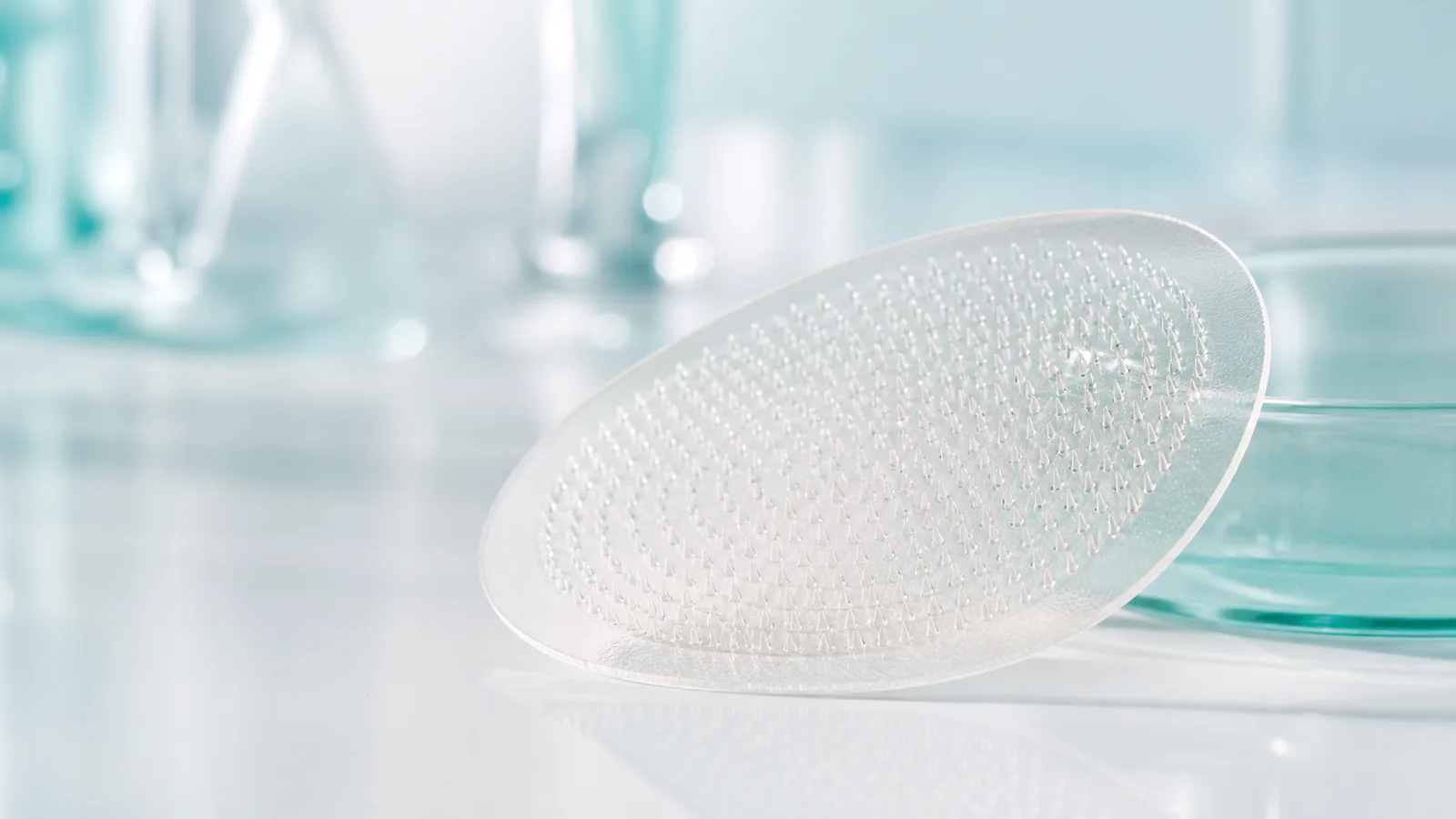
Dissolvable Microneedle Patches
Formula, microneedle geometry, patch shape and scale-up development in one program.
Dissolvable Oral Films
Dissolvable film delivery-system development subject to formulation and market review.
Custom Formulation
Feasibility assessment, prototype preparation and formula adaptation for defined use cases.
OEM / ODM Private Label
Primary packaging, cartons, artwork coordination and production-ready project management.
Global Export Support
Documentation, shipment coordination and destination-market responsibility mapping.
What buyers should verify
Request current facility certificates, quality-system evidence, product specifications, test methods, traceability records and category-appropriate documentation. Do not rely on a website badge alone.

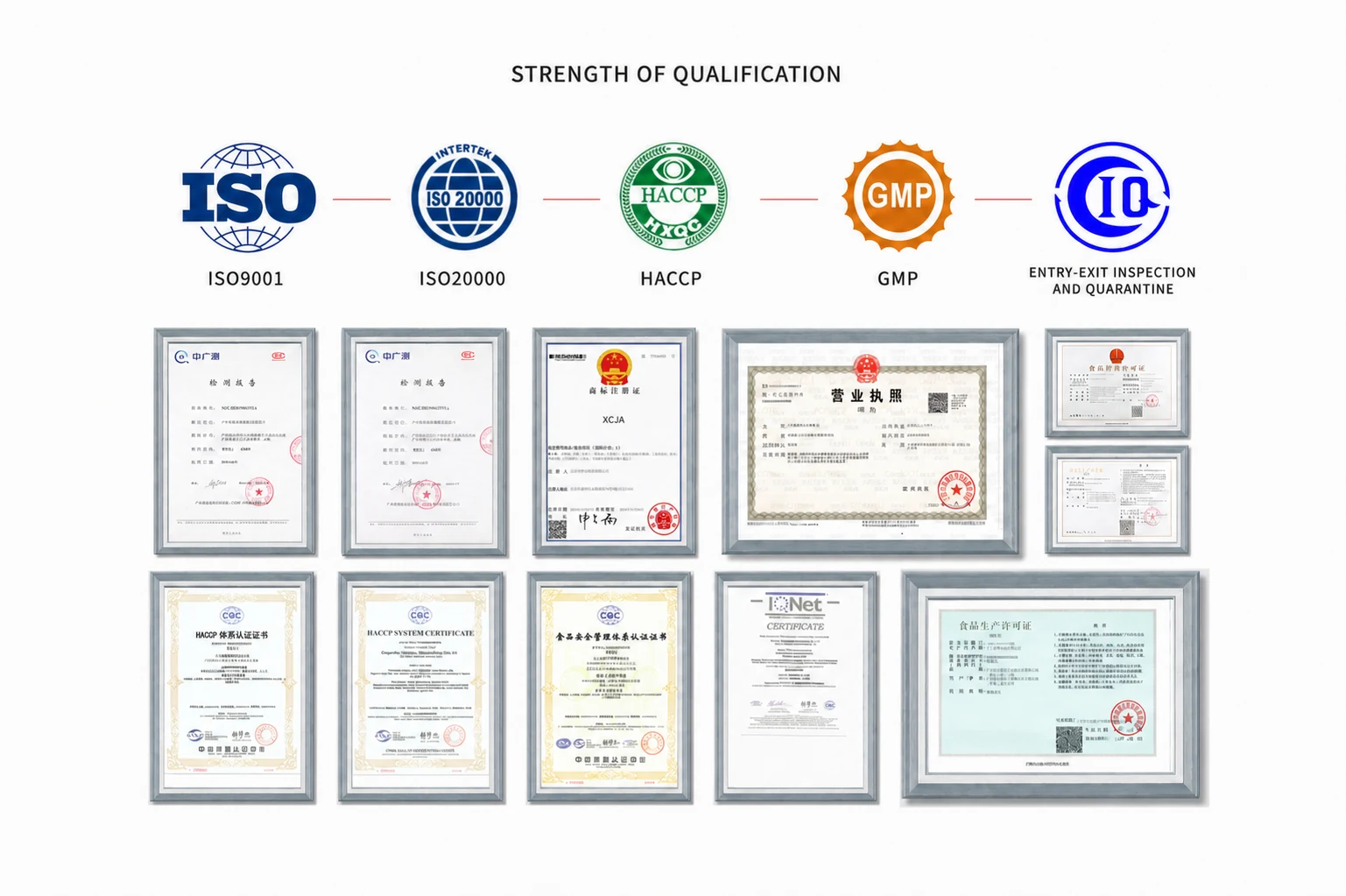
Qualification & Documentation
The qualification portfolio shown includes quality-management, food-safety, manufacturing and inspection-related documentation. Certificate issuer, scope, validity and applicability to the proposed manufacturing site and product should be confirmed during each supplier-qualification review.
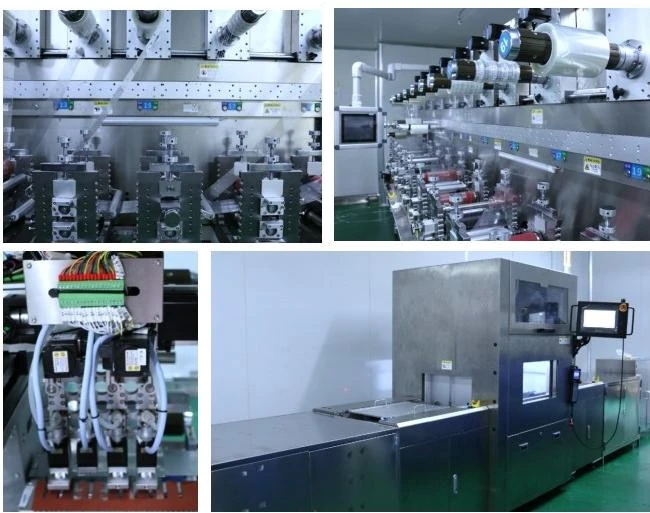
Controlled production environment
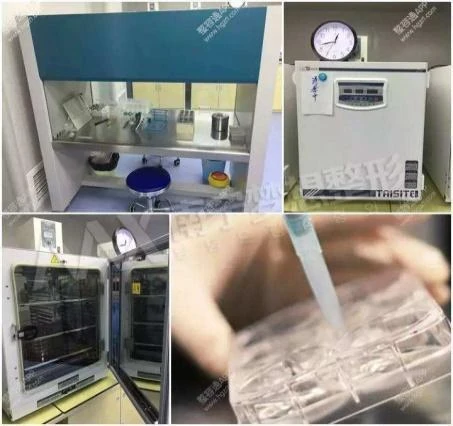
Environmental, hygiene and personnel controls are selected according to the cosmetic product and agreed requirements. Applicable certifications and audit evidence should be confirmed during supplier qualification.
Activity-sensitive processing
For peptides and other sensitive cosmetic ingredients, the process window considers temperature, time, moisture, oxygen exposure, matrix chemistry and final barrier packaging. Low temperature alone does not guarantee retained activity.
Quality control framework
Raw materials
Supplier and lot documentation, incoming review and traceability for critical inputs.
In-process checks
Appearance, mass, dimensions, array integrity and other agreed parameters at defined steps.
Finished product
Specification-based release checks and project-appropriate third-party testing coordination.
Batch records
Traceable material, process and release documentation aligned to the program.
Stability, irritation and packaging
Testing plans should match formula, pack, claims, storage, shelf-life target and market. The final scope may include accelerated and real-time stability, packaging compatibility and suitable cosmetic safety or irritation assessment through qualified providers.
Two manufacturing platforms at the Changzhou base
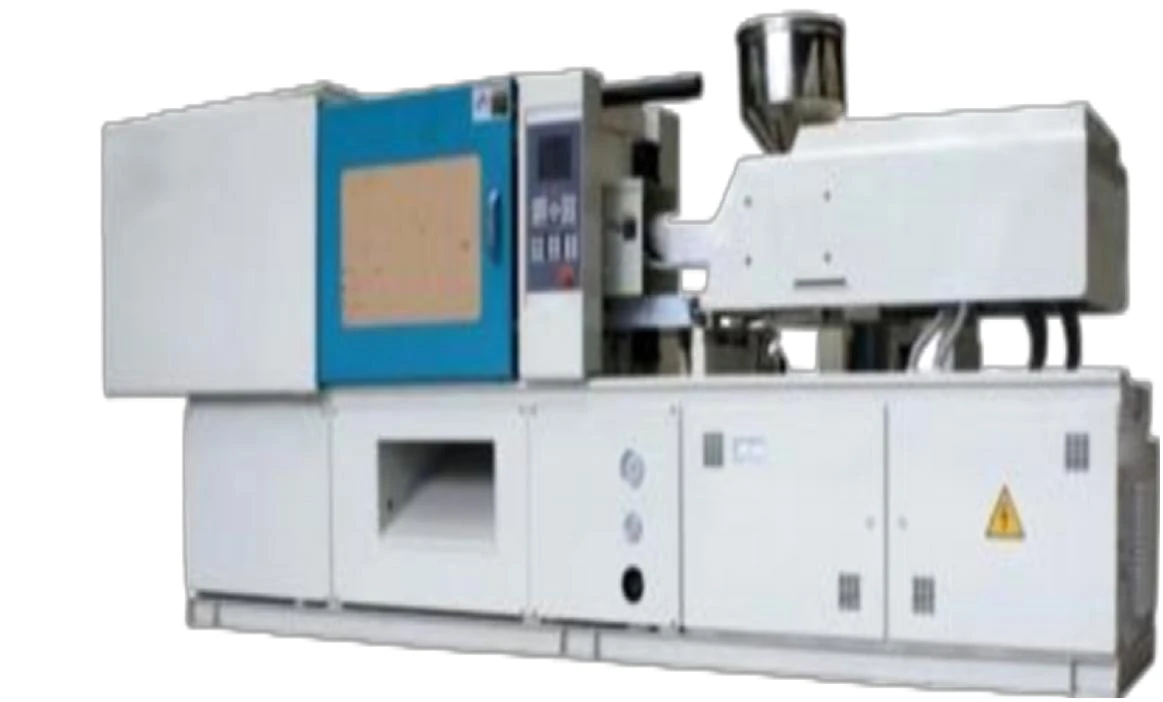
HYTANBIO · CHANGZHOU BASE connects dissolving microneedle forming and solid PLA microneedle tooling. HA and other water-soluble matrices support formulation-led patch development through controlled forming processes. PLA structures are produced through molding, with development covering sheets, delivery tools and related component geometries.
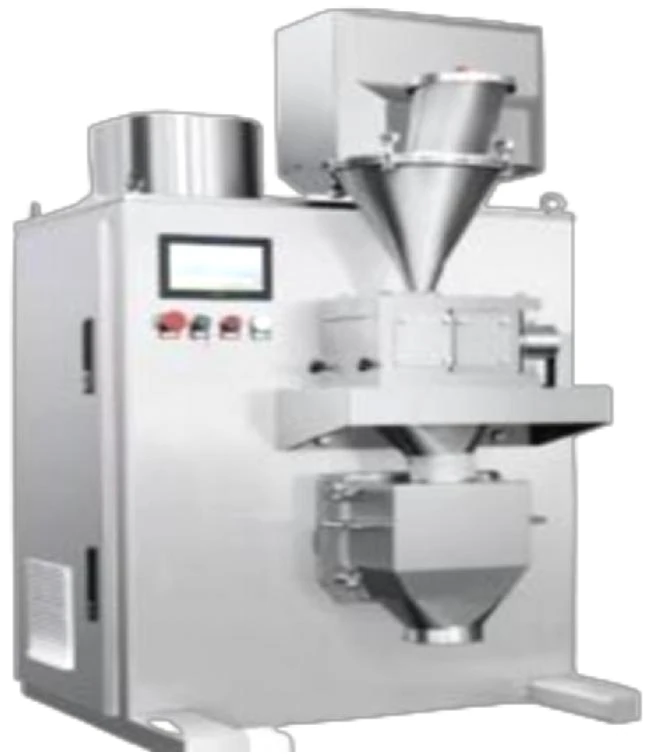
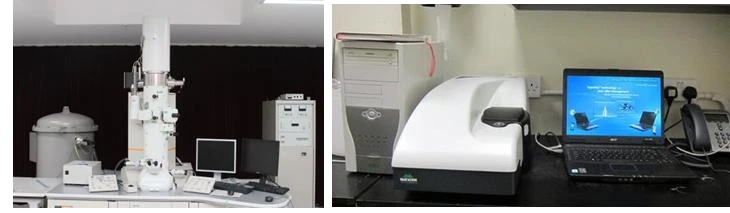
The platform and process plan must match the approved project specification. Facility photographs and equipment illustrations introduce the portfolio; they do not replace current audit evidence, equipment qualification or batch records.
Characterization matched to the development question
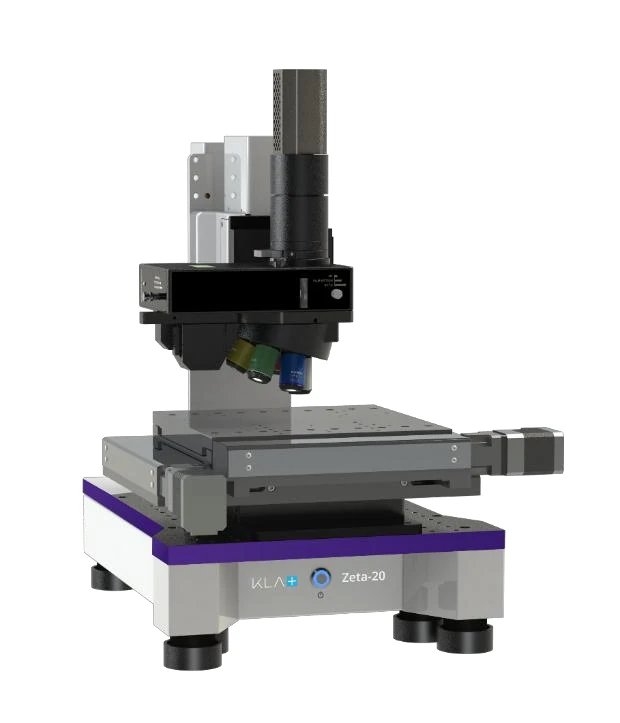
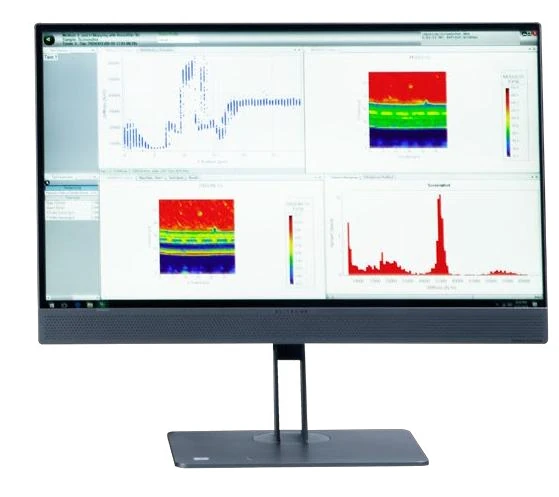
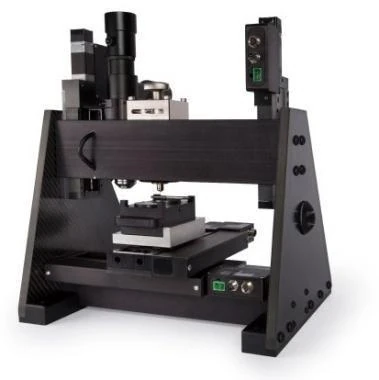
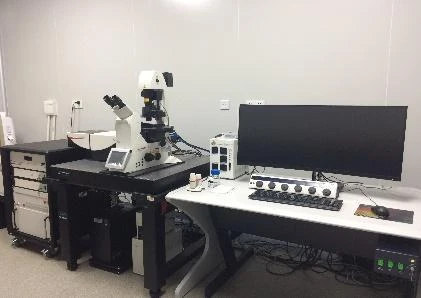
The portfolio combines imaging, mechanical characterization and formulation-related evaluation. The scope covers morphology and defects, mechanical reliability, biocompatibility, permeation and dissolution, composition, loading and stability. Request the exact test method, sample identity, study report and acceptance criteria rather than assuming that every method applies to every product.
Contour imaging
Review array morphology, surface profile and visible defects.
Automated axial positioning
Define positioning and measurement repeatability for the selected geometry.
Mechanical characterization
Assess array integrity and mechanical reliability against agreed acceptance criteria.
Confocal microscopy
Plan imaging appropriate to the structure and study question.
Composition & loading
Confirm ingredient identity, loading and formulation-related stability.
Permeation & dissolution
Define matrix dissolution and route-specific evaluation with an agreed model.
Antibacterial evaluation
A possible study category, not evidence of antibacterial performance for a listed patch.
In vivo evaluation
A separate research study category requiring an appropriate protocol and ethical oversight; no human clinical result is established.
Questions buyers ask before the next step
The following answers convert this page into a decision-ready reference rather than a general marketing summary. Each answer states the conclusion first and then names the variables that can change it. Numerical values such as MOQ, lead time, active content, dimensions, shelf life and price are not presented as universal facts when they depend on an unapproved project specification. This makes the page easier for both human buyers and AI systems to quote accurately: confirmed company or process information remains separate from product-specific assumptions, while cosmetic, medical and jurisdictional boundaries stay visible. For a live project, use these answers to prepare the brief and request the supporting specification, test or contractual record. Mark unresolved inputs as open actions with an owner and due date, then update the controlled project version after evidence is reviewed.
Which quality documents should an OEM buyer request?
Request current documents that match the legal entity, manufacturing site and proposed scope. The project file may include material specifications, supplier controls, master and batch records, in-process checks, finished-product specification, COA format, microbiological and stability plans, packaging verification, deviations, change controls and traceability records. Availability and disclosure level should be agreed before ordering.
Does ISO or GMP certification prove the product is approved?
No. A certificate can support supplier qualification only within its stated site, scope, standard and validity period. It does not establish finished-product safety, efficacy, market authorization or claim compliance. Buyers should verify the issuer and scope, then connect the quality-system evidence to the exact formula, process, pack and batch-release controls proposed for their product.
How is repeat-order consistency protected?
Consistency begins with controlled specifications and approved reference versions. Material suppliers, process parameters, tools, inspection methods, packaging and artwork should be traceable. Deviations and out-of-specification events require documented assessment, while material, process, site, tool or pack changes require notification and approval according to the quality or manufacturing agreement.
Content review: Last reviewed October 15, 2026. Material changes to formula, claims, manufacturing scope or target market require a fresh review.