



OEM overview
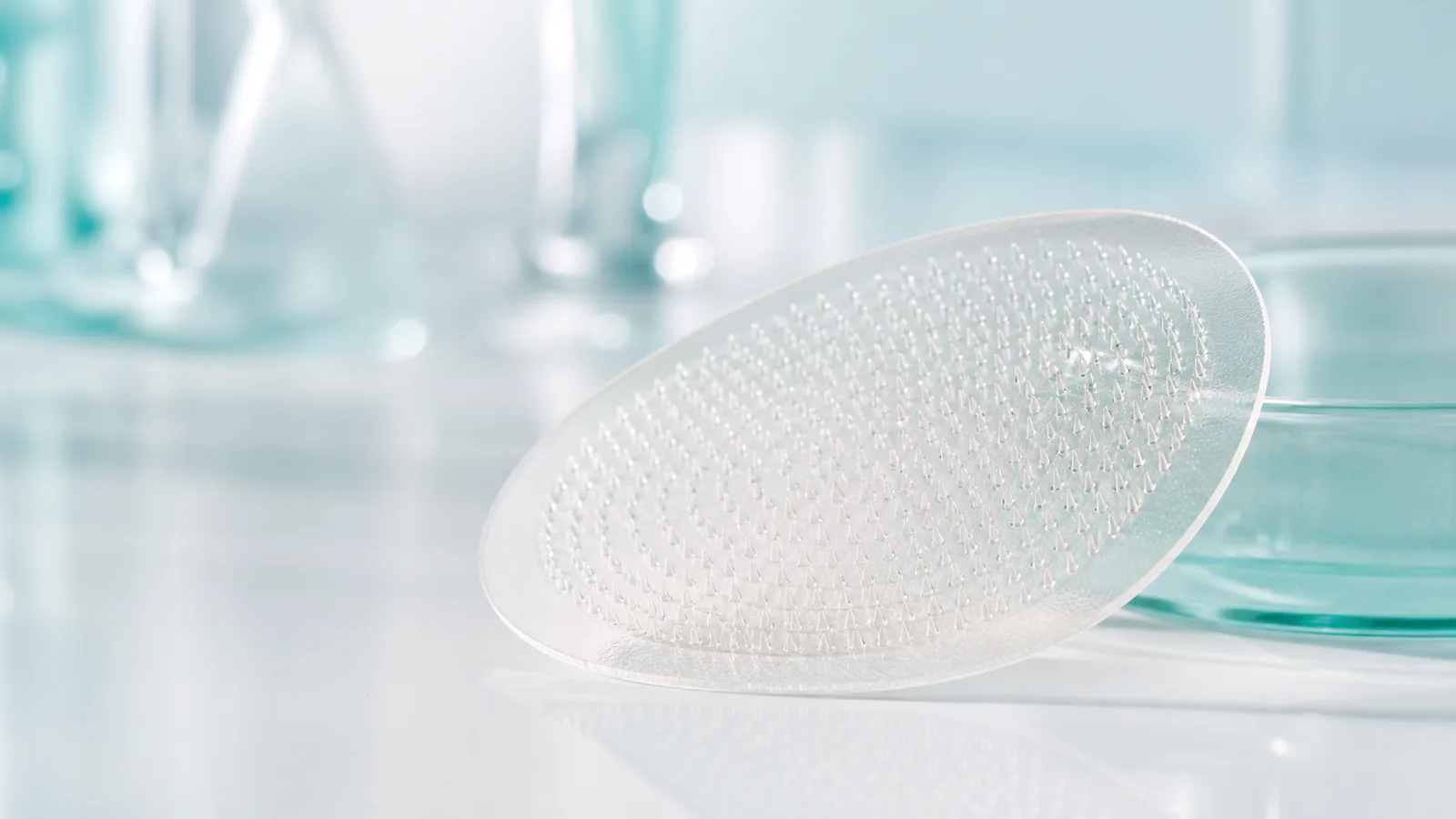
Custom cosmetic spot patches developed for blemish-prone skin positioning. Each program is reviewed for cosmetic category, technical feasibility, target-market rules and manufacturability before samples begin.

Formula and active options
Potential directions include niacinamide, centella, salicylic-acid concepts and soothing cosmetic actives. Final composition, active level, compatibility and claims depend on the agreed specification, stability strategy and destination market.
Cosmetic positioning
Programs may be positioned for targeted cosmetic care and improved appearance of blemish-prone skin. We avoid medical or drug claims unless the customer establishes a separate, appropriately authorized development pathway.
Customization options
OEM / private-label workflow
- Submit product brief, target market, volume and timing.
- Confirm technical assumptions, sample scope and commercial pathway.
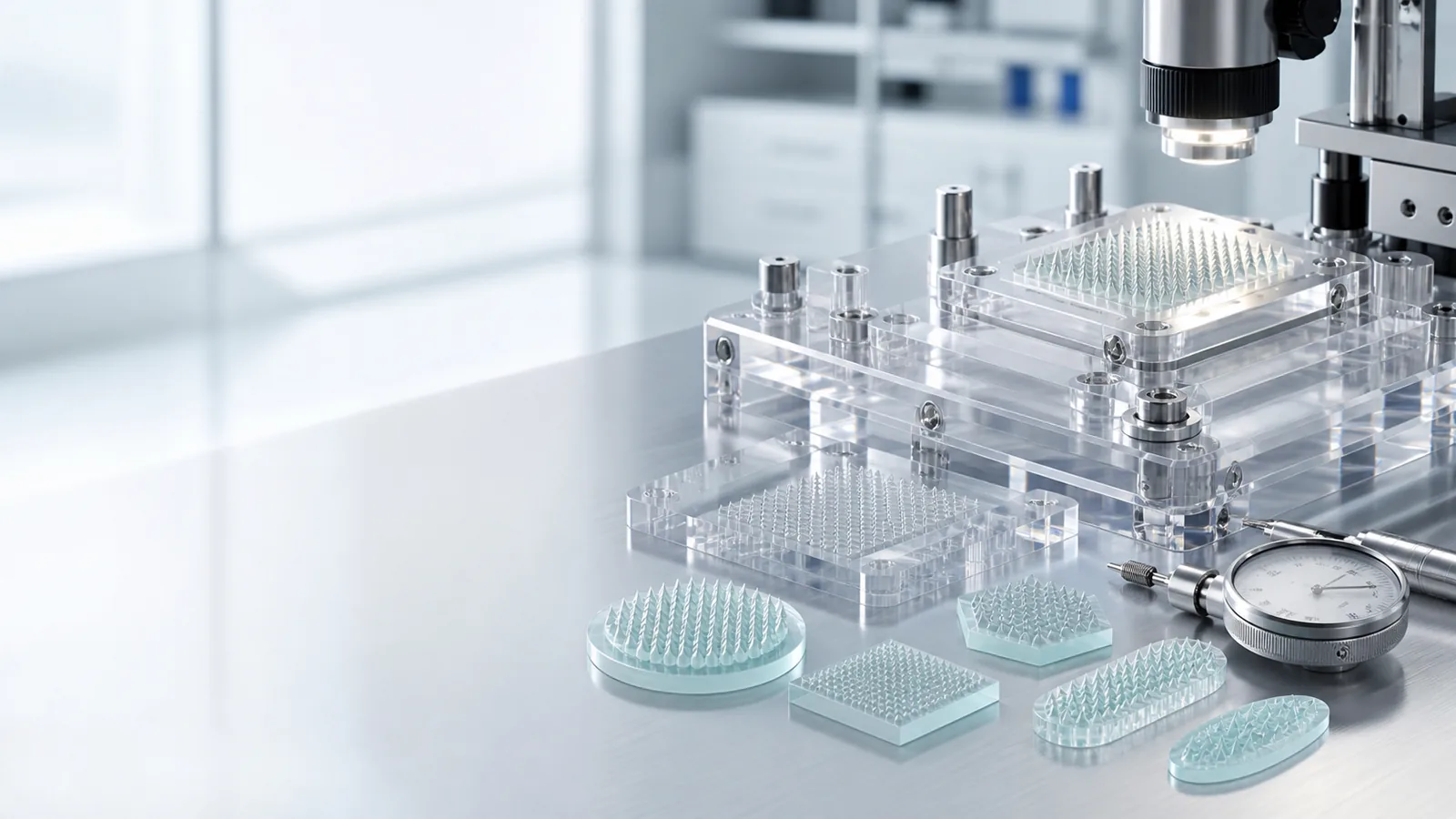
- Develop or adapt formula and patch geometry.
- Evaluate samples against agreed appearance, handling and dissolution criteria.
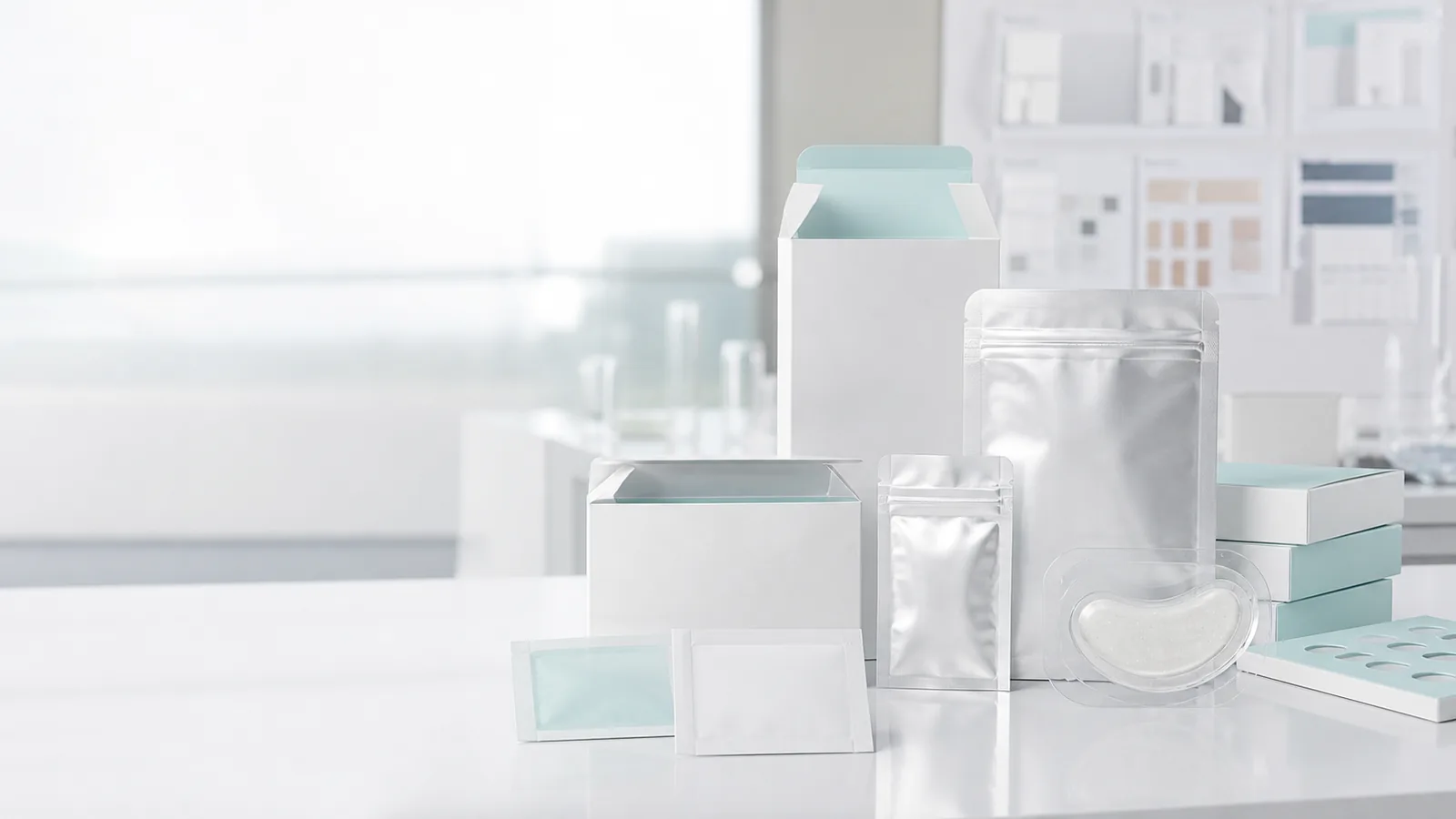
- Align packaging, pilot plan, specifications and production documents.
Blemish arrays and distinct formulation profiles
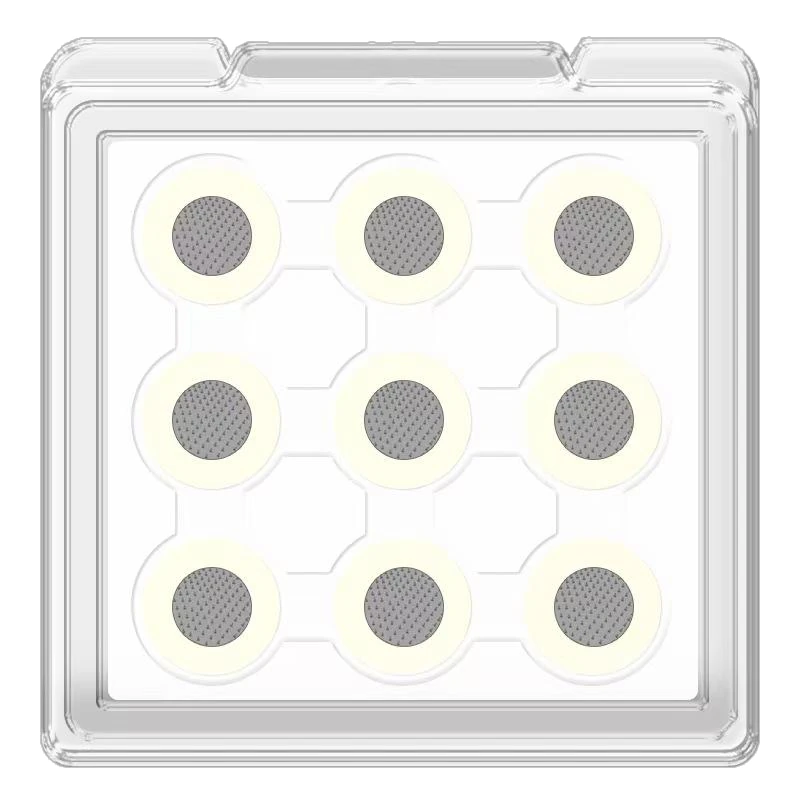
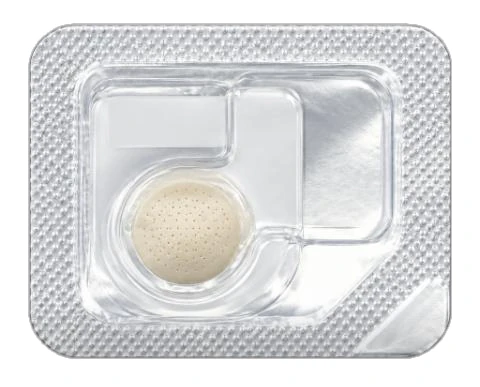
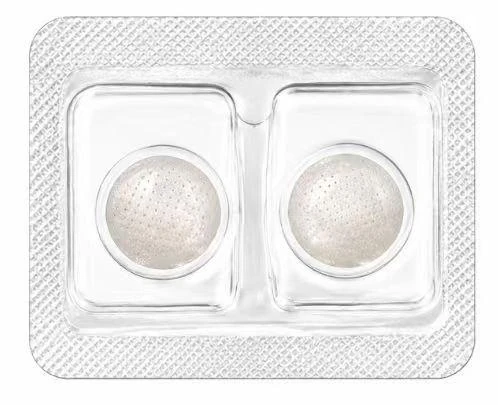
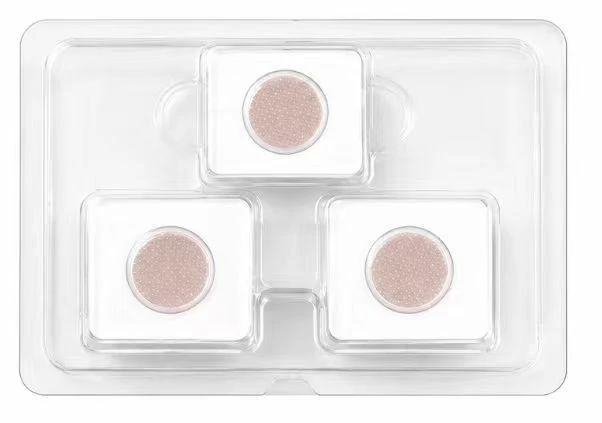
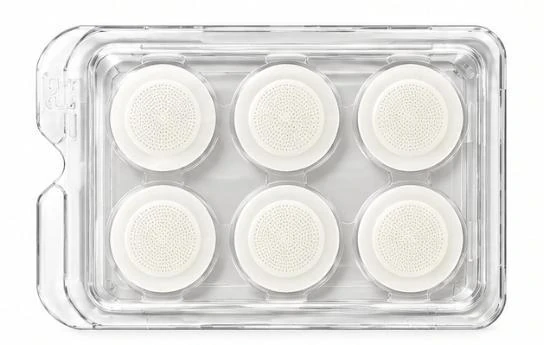
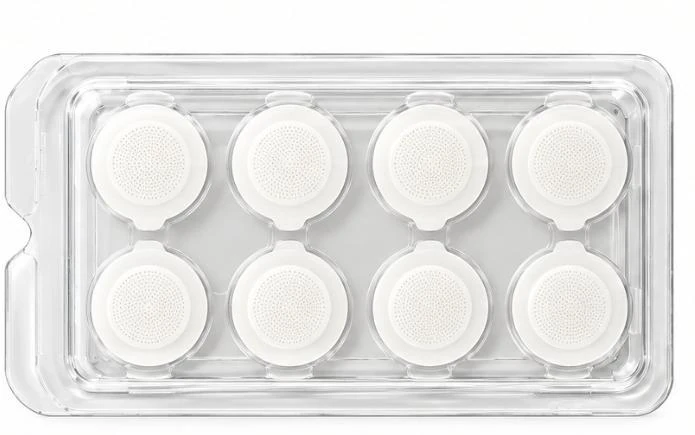
Blemish / acne microdart patch
- Array material
- Hyaluronic acid (HA)
- Nominal needle height
- 300–1,000 µm
- Needles per patch
- 110
- Patches per pack
- 1 / 2 / 3 / 6 / 8 / 9
- Backing options
- PE / PU / TPU / hydrocolloid
- Other options
- Tray, size and color
Geometry-led blemish profile
Ingredient reference: Salicylic acid, asiaticoside and PDRN
Targeted blemish-patch research configuration
Botanical blemish-care profile
Ingredient reference: Plant-derived salicin, madecassoside, Sophora flavescens root extract and sodium hyaluronate
Pack reference: 6 / 8 / 9 patches
Blemish-prone skin and the appearance of post-blemish marks; catalogue acne-care positioning requires market review
Salicin and salicylic acid are different ingredients; asiaticoside and madecassoside are different ingredients. PDRN identity, source, quality and intended delivery route require a separate safety and classification assessment. No acne-treatment result is established.
Portfolio pp. 14, 16
Six pack counts for the geometry-led array
The HA reference array lists 110 needles per patch at a nominal 300–1,000 µm height, with 1 / 2 / 3 / 6 / 8 / 9 patches per pack. Pack count does not specify dose or delivered exposure. The separate botanical profile lists stock-pack references of 6 / 8 / 9; current availability requires confirmation.
Questions buyers ask before the next step
The following answers convert this page into a decision-ready reference rather than a general marketing summary. Each answer states the conclusion first and then names the variables that can change it. Numerical values such as MOQ, lead time, active content, dimensions, shelf life and price are not presented as universal facts when they depend on an unapproved project specification. This makes the page easier for both human buyers and AI systems to quote accurately: confirmed company or process information remains separate from product-specific assumptions, while cosmetic, medical and jurisdictional boundaries stay visible. For a live project, use these answers to prepare the brief and request the supporting specification, test or contractual record. Mark unresolved inputs as open actions with an owner and due date, then update the controlled project version after evidence is reviewed.
Is Acne & Blemish Microneedle Patch OEM a ready-stock product?
This page describes a potential custom cosmetic development direction, not guaranteed ready inventory. Formula, active level, array geometry, backing, packaging, MOQ, lead time, evidence and target-market acceptability must be confirmed for the buyer’s approved brief.
Which specifications should be confirmed before sampling?
Confirm ingredient identity and target content basis, matrix and patch dimensions, needle geometry, application area, backing and pouch system, appearance and handling criteria, dissolution method, storage conditions, desired shelf life and claims direction. Record the sample version so feedback is traceable.
Which claims can the finished patch use?
Claims must remain consistent with the product category and be supported for the finished product as presented and used. Ingredient studies do not automatically substantiate the patch. Avoid treatment, disease, structural or drug-delivery claims unless a separate qualified regulatory pathway has been established.
Content review: Last reviewed October 15, 2026. Material changes to formula, claims, manufacturing scope or target market require a fresh review.