


What can be customized?
Formula direction, cosmetic active system, needle geometry, array density, patch shape, backing, pouch, carton and artwork can be configured subject to feasibility, volume and target-market requirements.
1. Requirement and feasibility review
We start with intended cosmetic use, target customer, destination market, formula concept, patch location, claims direction, expected quantity, budget range and launch date. Novel actives or unusual geometries may require additional feasibility work.
2. Formula customization
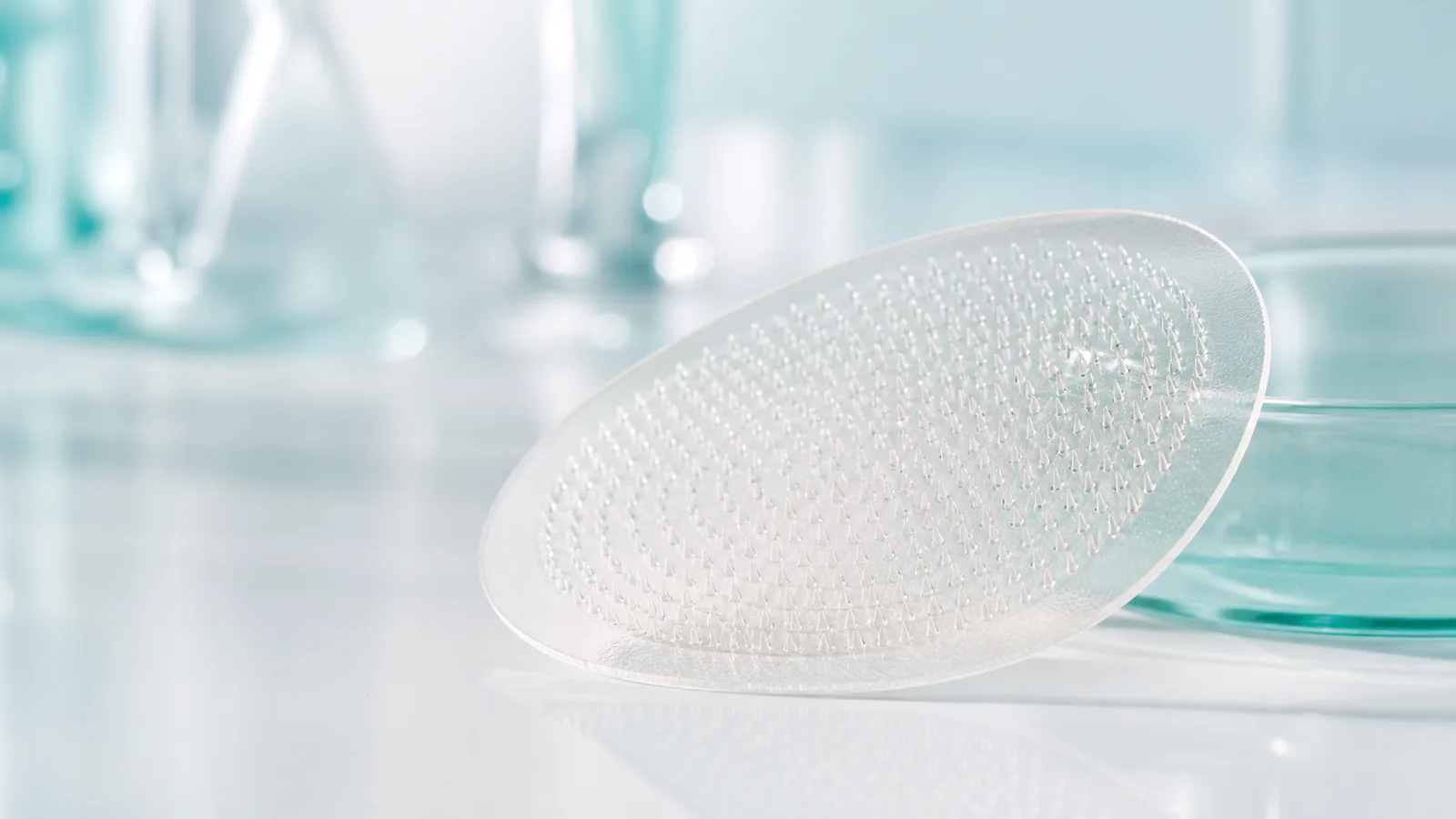
Choose an existing platform for faster development or request a project-specific concept. The matrix, cosmetic active compatibility, drying exposure, moisture control and packaging barrier are assessed as one system.
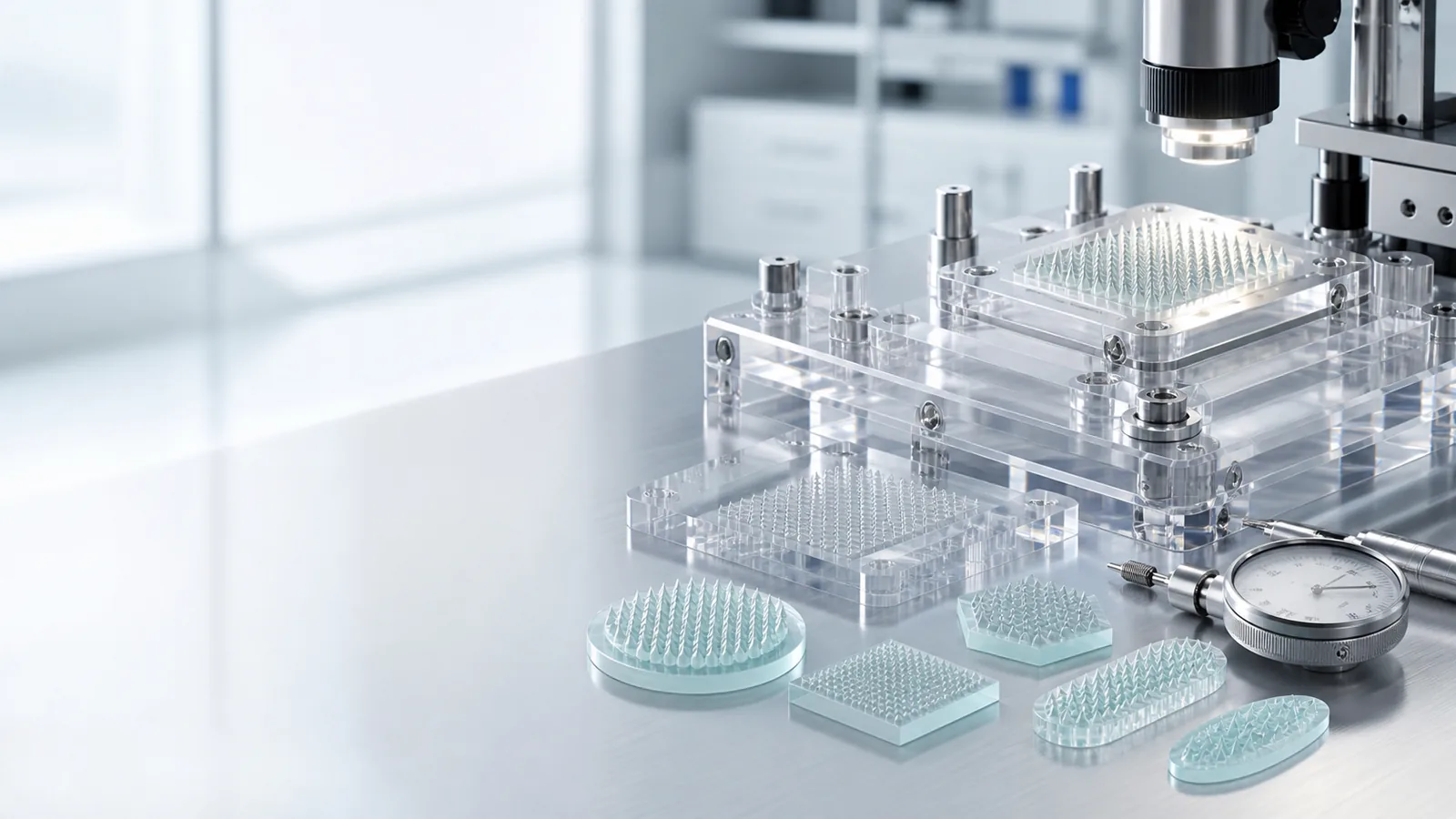
3. Microneedle mold and patch design
Needle height, density, base geometry, array layout and backing shape are selected around application, dose-distribution objectives, handling and manufacturing repeatability.
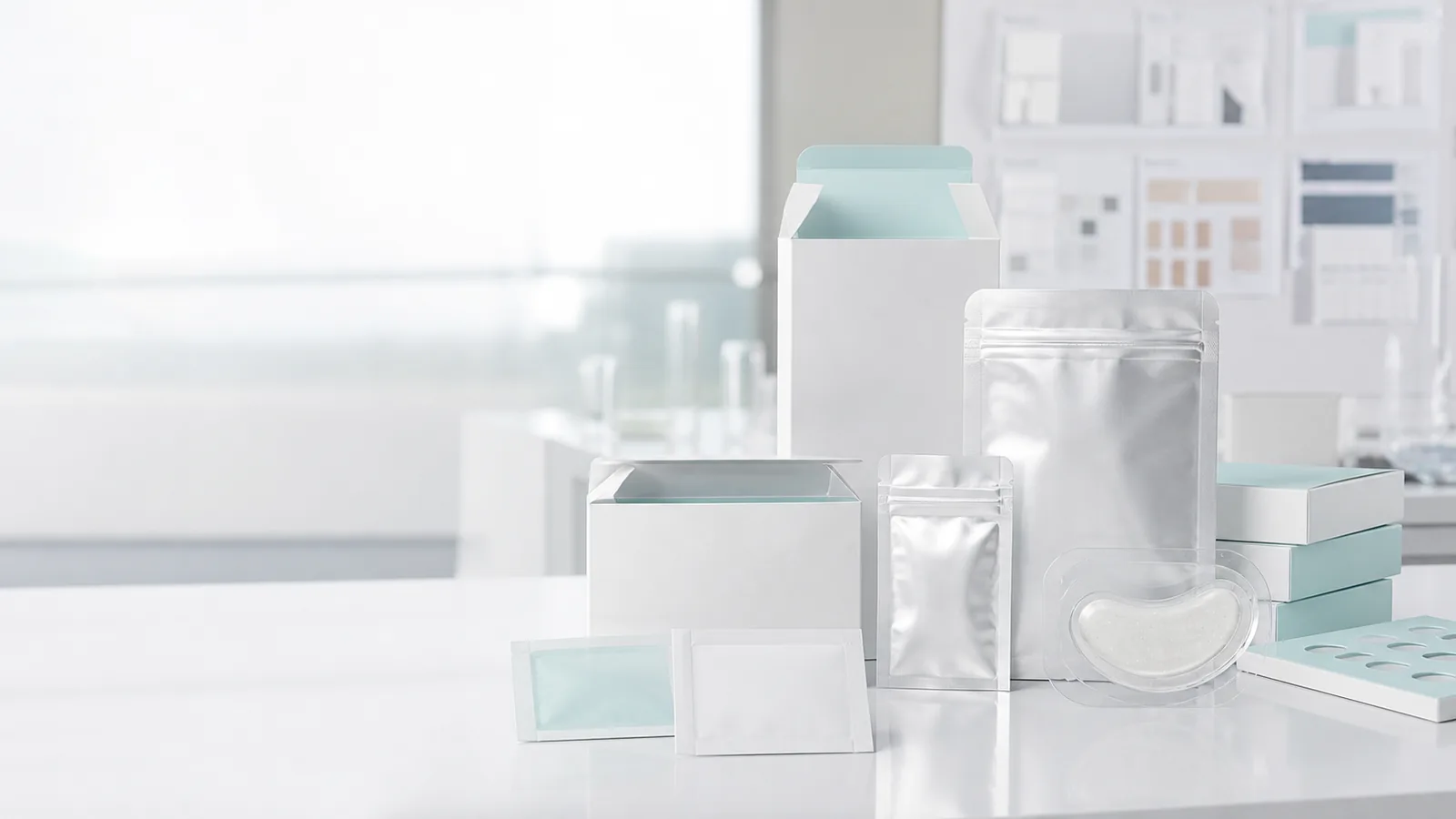
4. Private-label packaging
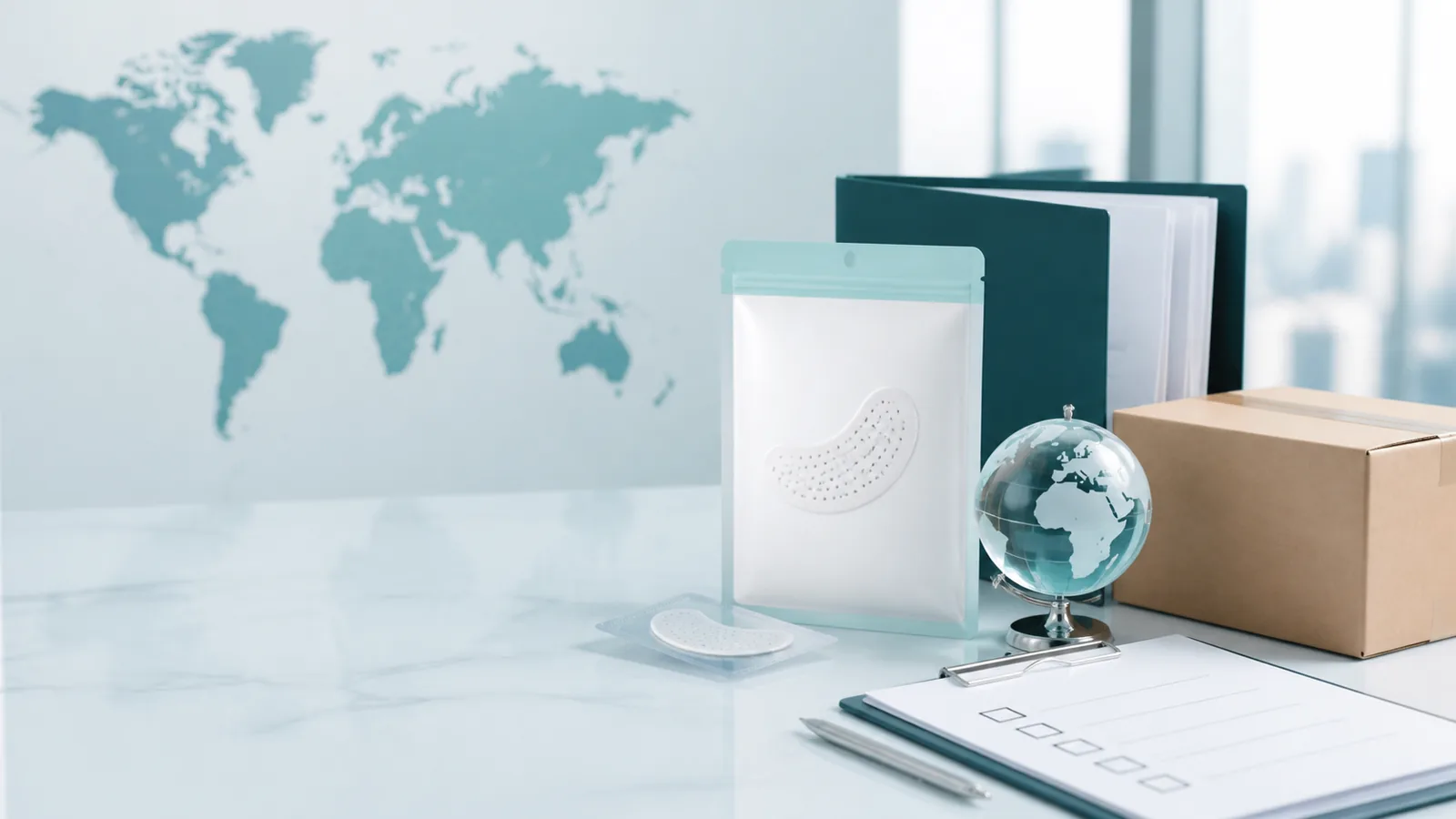
Programs can include primary barrier pouches, branded cartons, inserts and artwork coordination. Packaging specifications and local labeling remain subject to buyer approval and target-market review.
5. Samples, pilot and production
| Stage | Purpose | Typical outputs |
|---|---|---|
| Feasibility | Reduce major technical uncertainty | Assumptions, recommended route, sample scope |
| Lab sample | Review appearance, handling and initial behavior | Prototype patches and feedback plan |
| Pilot | Confirm process and packaging fit | Agreed specifications and pilot records |
| Scale-up | Plan repeatable commercial supply | Production schedule and project documents |
MOQ and lead time
MOQ and timing depend on formula novelty, custom tooling, patch size, pack format, testing and total units. Send a brief for an indicative range; exact commitments are issued only after technical and packaging review.
Packaging designed around the complete configuration
Standard and custom packs
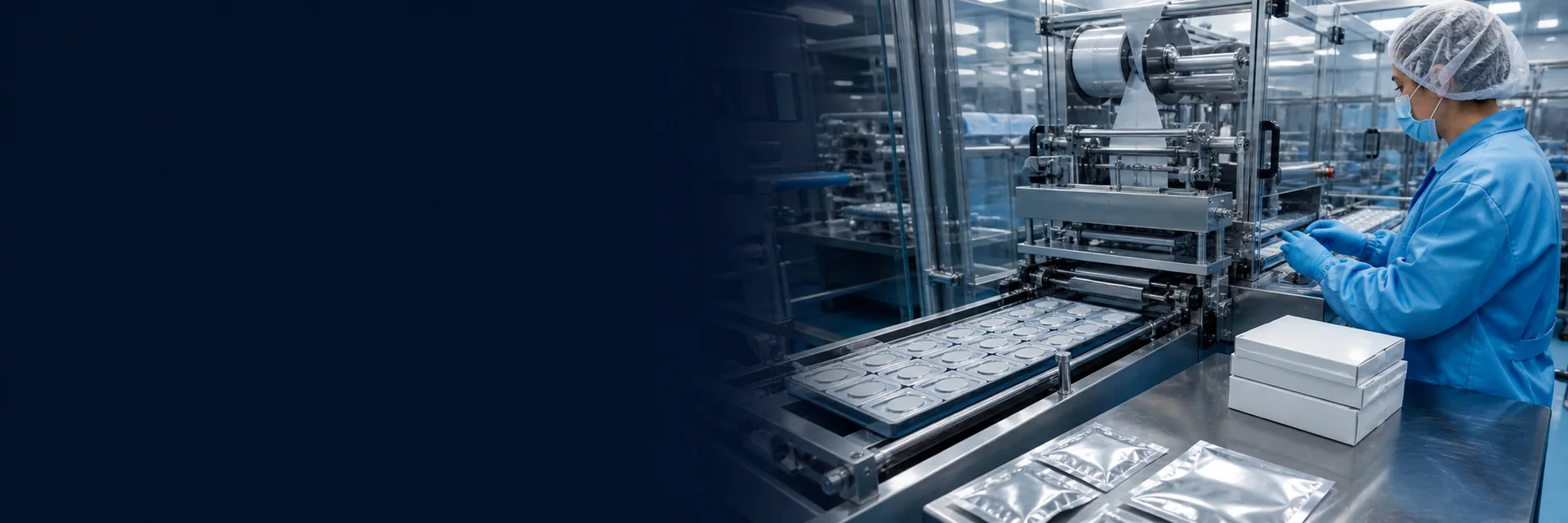
The standard reference is a gray aluminum-foil pouch. Customization covers inner foil pouches, thermoformed trays and outer cartons, with project-specific materials, finishes and dimensions. Moisture, light and oxygen barrier performance must be verified for the chosen structure.
Two artwork routes
Use the design-service route for logo placement, product information and directions, or provide complete artwork files for printing and packing. Approved artwork proceeds to sampling and production after labeling and pack-fit review.
- Eye presentation
- Trays 12 × 8 cm or 9 × 9 cm; pouch 11 × 16 cm; 1 pair
- PLA sheet presentation
- 9 × 9 cm thermoformed tray + 11 × 16 cm aluminum pouch
- Vial / syringe-compatible heads
- 9 × 9 cm paper–plastic pouch reference
- Roller presentation
- Thermoformed tray + aluminum pouch; version-specific dimensions
Five stages from brief to finished presentation
-
Define the brief
Application, user group and target product format.
-
Confirm configuration
Material, needle geometry, actives and pack format.
-
Develop samples
Formulation trials and product-format evaluation.
-
Approve artwork
Logo, product information, directions and packaging.
-
Produce & pack
Confirmed specifications, packaging and delivery.
Define the product
- Material platform and intended application
- Needle height, count and spacing
- Patch shape, dimensions and color
- Ingredient profile and active loading
- Backing and thermoformed tray
Define the presentation
- Patches per pack and component dimensions
- Inner pouch and outer carton materials
- Customer artwork or design-service route
- Logo, labeling and directions for use
- Sample and production specification
Questions buyers ask before the next step
The following answers convert this page into a decision-ready reference rather than a general marketing summary. Each answer states the conclusion first and then names the variables that can change it. Numerical values such as MOQ, lead time, active content, dimensions, shelf life and price are not presented as universal facts when they depend on an unapproved project specification. This makes the page easier for both human buyers and AI systems to quote accurately: confirmed company or process information remains separate from product-specific assumptions, while cosmetic, medical and jurisdictional boundaries stay visible. For a live project, use these answers to prepare the brief and request the supporting specification, test or contractual record. Mark unresolved inputs as open actions with an owner and due date, then update the controlled project version after evidence is reviewed.
What information is needed to start a microneedle patch OEM project?
Provide the intended cosmetic use, application area, target market, formula or active concept, desired patch format, pack configuration, expected first order and launch window. A non-confidential brief is enough for initial routing. Formula, geometry, testing, packaging and commercial assumptions are then separated into a reviewable project scope.
Can formula, needle geometry and packaging all be customized?
They can be evaluated together, subject to feasibility, product category, volume and destination-market requirements. A change in matrix or active system may affect filling, drying and needle strength; geometry may affect application and yield; packaging must protect the approved moisture state. Final options are confirmed through samples, specifications and project-specific review.
Is there a fixed MOQ or lead time?
No universal MOQ or lead time is stated because the efficient minimum changes with formula novelty, mold requirements, patch size, pouch and carton minimums, test program and approval cycles. A standard-platform private-label project normally differs from a new formula and custom tool. The quotation should identify both patch quantity and finished retail pack quantity.
Content review: Last reviewed October 15, 2026. Material changes to formula, claims, manufacturing scope or target market require a fresh review.